
Are you new to gardening? Learn how you can start a garden on a budget with these frugal tips for beginners.

This post may contain affiliate links. You can read my full disclosure here.
Have you ever bitten into a ripe homegrown tomato warmed by the sun? Oh, the ecstasy! Add a few sprigs of lettuce, and maybe a tender, young zucchini and you’ve already got the fixings for a salad that you have grown and harvested yourself.
While there is work in a garden, with weeding, and watering, sometimes every day in the summer, it’s also a great way to soak up some sun, and get some real physical activity. When the garden looks good, you get this sense of feeling good about what you are accomplishing.
Once you start gardening, you will find that there are so many other wonderful benefits:
- It encourages you to eat healthier.
- Homegrown veggies just taste better!
- It reduces stress.
- Gardening saves you money on your groceries.
Why buy produce from the store? when you can walk by, smile, and know you are growing your family’s favorite vegetables right at home- for practically free! They are full of vitamins and as simple as walking to the garden. And believe me, they don’t get any fresher than this!
Looking for more ways to save on groceries:
- 6 Easy Ways to Cut Your Grocery Bill in Half
- How to Monthly Meal Plan to Save Time and Money
- 30 Easy Ways to Save Money on Groceries
Sometimes a garden produces so much more than you anticipated, but there are so many recipes, and canning tutorials, to help you with the extra produce! It just might help keep your family fed well for a long time.

How to Start a Garden on a Budget
Sowing Seeds
Starting seeds can be so much fun plus it can save you a lot of money since a packet of seeds usually costs less than $2 a pack. You get to nurture and care for the plantings, watch them grow and all you need to provide is moisture and light.
To get started you can use cell packs for your seeds, but any clean container will do as long as there are drainage holes. If you use regular garden dirt to fill your containers, it may pack down too hard when it’s watered a lot. So, try using a seed starting soil, then add some water to the mix so it’s moist but not wet.
Using your hands, mix the water and soil together, fill up your pots with soil, and level off the surface. Lastly, tap the container on your work table to let the mixture settle.

Planting your seeds
Once the containers are filled with soil, it’s time to plant. When planting small seeds they don’t even need to be covered. Just press them gently in the soil, and try to keep the seeds about a half-inch apart. Medium seeds are okay if they are slightly covered. Large seeds can be covered with about a quarter-inch of soil. Don’t forget to label your plant pots.
When everything is planted, it’s important to set the pots in a tray of warm water until the tips look moist, then set the plants in a spot where the water can drain. You will need to keep repeating this way of watering as often as you need to keep the soil moist until the seeds sprout. Make sure and set them in a sunny window.
Getting your plants ready for the garden
Once the frost date in your area has passed (you can check out frost dates for your location from almanac.com), it’s time to harden off your plants to get them ready for the garden. Hardening off is simply setting them outside in a shady, sheltered area for about an hour or two the first day. It should take about a week to fully harden off then they will be ready to plant in the garden.
Build your garden
The Plan
There are some things to think about when planning your garden. First, and I think this is a big one, location! Your garden will need about eight hours of sun a day. We live in the North Country in New York, so we’re after any sun we can get! A garden situated on a site facing south and west is pretty ideal with no trees or outbuildings. Just your garden and that beautiful sunshine.
Another idea is to build your garden near your home where you keep your hose, and at the same time, when life gets busy, it will still be there where you can see it.
Use newspapers
Once you have decided where your garden will be, there are some different ways to go about building it. You can turn the sod with a shovel, or you can build a raised bed, by buying a raised bed kit or making your own.
One thing I have always done with every garden is to lay wet newspapers (black and white print only) on the ground first. The newspapers will encourage the earthworms to come to the surface and drag the newspaper down with them. They produce worm castings, that in my opinion are equal to black gold and a natural fertilizer.
The organic material or compost is the very best addition to your garden. It will improve the texture of the soil so it will save and hold moisture for leaner times. So think of the compost as a filler for your garden but don’t let it stop you from top dressing your plants with it.
Leaf mold (leaves that are left in a pile to decay or decompose) would be a good addition on top of the newspaper, as well as straw. Mix these ingredients in with purchased topsoil and you’ve built your garden. Put as much compost material as you want. I guarantee it will only make your soil better.
Make a compost pile
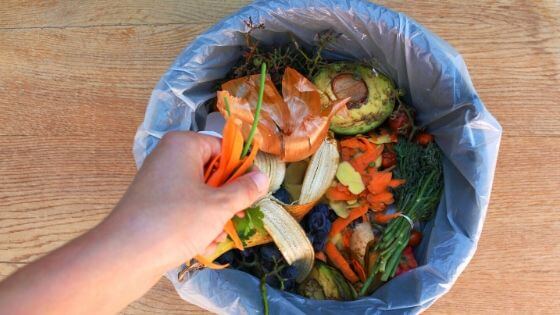
Speaking of compost, I love this stuff! It truly is black gold and I couldn’t garden without it. I save table scraps that include potato and apple peelings as well as spoiled fruits and veggies, banana peels, and eggshells in a covered pail under my kitchen sink.
Things I never put in a compost pail are any kinds of meats or cheese as they will attract mice and woodland creatures that carry disease.
When my pail gets full, I dump it in my compost pile. I like to cover the fresh compost with twice as many leaves along with any weeds that I pulled that day.
Once you’ve built your garden, it’s time to get busy planting!
“The glory of gardening: hands in the dirt, head in the sun, heart with nature. To nurture a garden is to feed not just on the body, but the soul.” – Alfred Austin

So, why not start your own garden! The excitement of nurturing your seeds into plants, harvesting those delicious veggies, fresh, for your family, why, there’s nothing better!
You may like:18 Simple Ways to Eat Healthy on a Budget
Contributing Author– Geri Mitchell is married with two grown children and grandchildren. She loves to garden! “The summers here in the north country sometimes have two seasons, winter and getting ready for winter, so we have to garden in between.”